
Cats are known for their independence and fastidious nature, especially when it comes to their litter box habits. However, changes in how your cat uses the litter box can be a sign of underlying health issues. Understanding what’s normal and what’s not is crucial for maintaining your cat’s health and well-being.

Cats are known for their independence and fastidious nature, especially when it comes to their litter box habits. However, changes in how your cat uses the litter box can be a sign of underlying health issues. Understanding what’s normal and what’s not is crucial for maintaining your cat’s health and well-being.
1. The Importance of Monitoring Litter Box Habits
Why Litter Box Habits Matter
A cat’s litter box habits can provide valuable insights into their physical and emotional health. Cats are creatures of habit, and any changes in their routine could signal a problem.
What to Monitor
- Frequency of urination and defecation
- Consistency and appearance of waste
- Behavioral changes during litter box use
- Any accidents outside the litter box
2. Normal Litter Box Behavior in Cats

Frequency
Most cats urinate 2-4 times a day and defecate once a day. However, this can vary depending on factors like diet, age, and activity level.
Appearance
- Urine: Should be clear to pale yellow with no strong odor.
- Feces: Should be firm, well-formed, and brown in color.
Behavior
Cats typically dig before and after using the litter box to cover their waste. They should not appear to be straining or showing signs of discomfort.
3. Common Litter Box Issues and What They Mean
Frequent Urination
- Possible Causes: Urinary tract infection (UTI), diabetes, kidney disease.
- What to Look For: Frequent trips to the litter box, small amounts of urine, or blood in the urine.
Straining to Urinate
- Possible Causes: UTI, bladder stones, feline lower urinary tract disease (FLUTD).
- What to Look For: Your cat may cry out in pain or spend a long time in the litter box without producing urine.
Frequent Defecation
- Possible Causes: Diarrhea, gastrointestinal infection, inflammatory bowel disease (IBD).
- What to Look For: Loose, watery stools, or increased frequency of bowel movements.
Straining to Defecate
- Possible Causes: Constipation, hairballs, megacolon.
- What to Look For: Hard, dry stools, or visible discomfort during defecation.
Accidents Outside the Litter Box
- Possible Causes: Stress, territorial marking, litter box aversion.
- What to Look For: Urine or feces found in unusual places around the house.
Blood in Urine or Feces
- Possible Causes: UTI, bladder stones, gastrointestinal bleeding.
- What to Look For: Red or brown discoloration in urine or feces.
4. Health Conditions Linked to Litter Box Changes
Urinary Tract Issues
- UTI: Bacterial infections in the urinary tract can cause pain, frequent urination, and blood in the urine.
- Bladder Stones: Mineral formations in the bladder can block the urinary tract and cause severe discomfort.
Kidney Disease
Kidneys filter waste from the blood, and when they fail, toxins can build up, leading to increased urination and thirst.
Diabetes
High blood sugar levels can cause increased urination and thirst, as the body tries to eliminate excess glucose.
Gastrointestinal Problems
- IBD: Chronic inflammation of the intestines can lead to diarrhea, vomiting, and weight loss.
- Constipation: Difficulty passing stools can be caused by dehydration, diet, or underlying health issues.
Stress and Anxiety
Changes in the household, such as moving or introducing a new pet, can cause stress-related litter box issues.
5. Behavioral Factors Affecting Litter Box Habits
Litter Box Aversion
If your cat doesn’t like the type of litter or the location of the litter box, they may avoid using it.
Territorial Marking
Cats may urinate outside the litter box to mark their territory, especially in multi-cat households.
Stress and Environmental Changes
Changes in routine or environment can lead to stress, which may manifest in litter box problems.
Aging and Mobility Issues
Older cats or those with arthritis may find it difficult to access the litter box, leading to accidents.
6. How to Address Litter Box Problems

Provide Multiple Litter Boxes
In multi-cat households, having one litter box per cat plus an extra can help reduce competition and stress.
Choose the Right Litter
Experiment with different types of litter to find one that your cat prefers. Some cats dislike scented or heavily perfumed litter.
Keep the Litter Box Clean
Scoop the litter box daily and change the litter regularly to keep it fresh and appealing.
Ensure Accessibility
Place the litter box in a quiet, easily accessible location. For older cats, consider a low-sided box for easier entry and exit.
Reduce Stress
Identify and address potential stressors in your cat’s environment. Provide safe spaces, toys, and plenty of attention to help them feel secure.
7. When to Consult Your Veterinarian
Persistent Changes
If your cat’s litter box habits change for more than a day or two, it’s time to consult your vet.
Visible Signs of Distress
Straining, crying out in pain, or producing blood in urine or feces are signs that require immediate veterinary attention.
Accidents Outside the Litter Box
If your cat suddenly starts urinating or defecating outside the litter box, it’s important to rule out medical causes.
Unexplained Weight Loss or Lethargy
These symptoms, combined with changes in litter box habits, could indicate a serious underlying condition.
8. Diagnostic Tests Your Vet May Recommend
Urinalysis
A urine sample can help detect infections, crystals, or other abnormalities.
Blood Tests
Blood work can assess kidney and liver function, as well as check for diabetes or other metabolic disorders.
Imaging
X-rays or ultrasounds can help identify bladder stones, tumors, or other structural issues.
Fecal Examination
A stool sample can reveal parasites, infections, or other gastrointestinal problems.
9. Preventing Litter Box Problems
Regular Veterinary Checkups
Annual exams can help detect and address health issues before they affect litter box habits.
Proper Diet and Hydration
Ensure your cat has a balanced diet and access to fresh water to support urinary and digestive health.
Environmental Enrichment
Provide toys, scratching posts, and interactive play to reduce stress and keep your cat mentally stimulated.
Consistent Routine
Cats thrive on routine. Try to keep feeding, playtime, and litter box cleaning schedules consistent.
Conclusion
Your cat’s litter box habits are a key indicator of their overall health. By understanding what’s normal and what’s not, you can take proactive steps to address any issues before they become serious. Regular monitoring, proper litter box management, and timely veterinary care are essential for keeping your feline friend healthy and happy. Remember, when in doubt, always consult your veterinarian to ensure your cat receives the best possible care.
Popular Posts

The Ultimate Guide to Dental Care for Dogs and Cats
Maintaining the health of your pets goes beyond just providing regular food and exercise; dental care is a crucial aspect that often gets overlooked. Just like humans, dogs and cats can suffer from dental diseases that may lead to serious health issues if left untreated.
Socializing Your Pet: Tips for a Confident and Friendly Companion
Socialization is one of the most important aspects of pet ownership that can significantly impact your pet's behavior and overall well-being. A well-socialized pet is more likely to be confident, friendly, and comfortable in various environments.
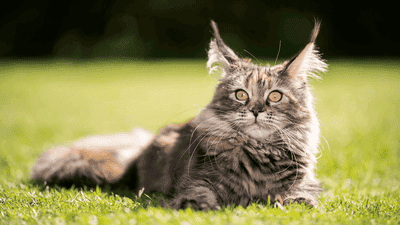
Meet the Maine Coon: The Gentle Giant of the Cat World
The Maine Coon cat is a breed that captures the hearts of many with its striking appearance and affectionate personality. Known for their impressive size, tufted ears, and bushy tails, these gentle giants are not only one of the largest domesticated cat breeds but also one of the most beloved.

How to Keep Your Pet Calm and Comfortable on Long Journeys
aveling with pets can be a rewarding experience, but it can also present challenges, especially on long journeys. Whether you're heading out for a family vacation, a move across the country, or a visit to the veterinarian, it's essential to ensure that your pet is calm and comfortable throughout the trip.

How to Stop Your Puppy from Chewing Everything in Sight
Bringing a puppy into your life can be an incredibly joyful experience. Their playful nature, boundless energy, and affection often brighten our days. However, one of the most common challenges puppy owners face is the tendency for their young dogs to chew on anything and everything in sight.

Labrador Retriever: Why This Breed Is America's Favorite Dog
The Labrador Retriever is often hailed as America’s favorite dog breed, and with good reason. Known for their friendly demeanor, intelligence, and versatility, Labs have earned their place in countless homes as beloved family companions.